Winterizing Your Well: Protect Your Water System in Cold Weather
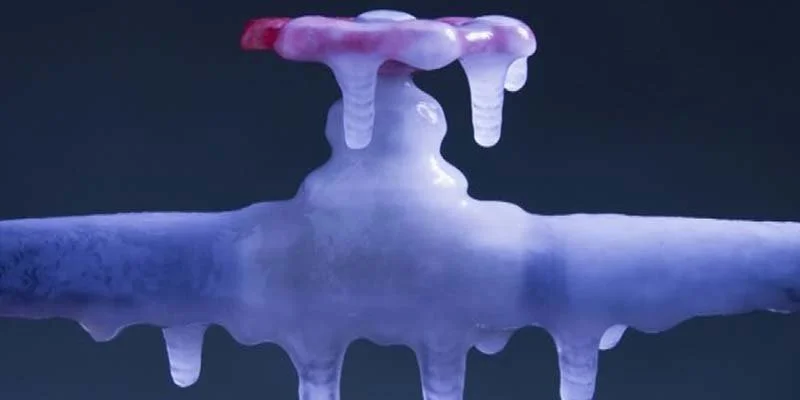
Properly winterizing your well system is essential to ensure uninterrupted water service and to prevent costly damage caused by freezing temperatures. Cold weather can impact exposed components, leading to frozen pipes, equipment failure, and water loss. This guide outlines best practices for preparing your well system for winter.
Why Winterizing Your Well Is Important
Cold weather can cause serious damage to unprotected well systems. Winterizing your well helps to:
Prevent frozen well pipes and water lines
Protect the well pump and pressure tank
Reduce repair and costly damage to property
Reduce the risk of emergency repairs
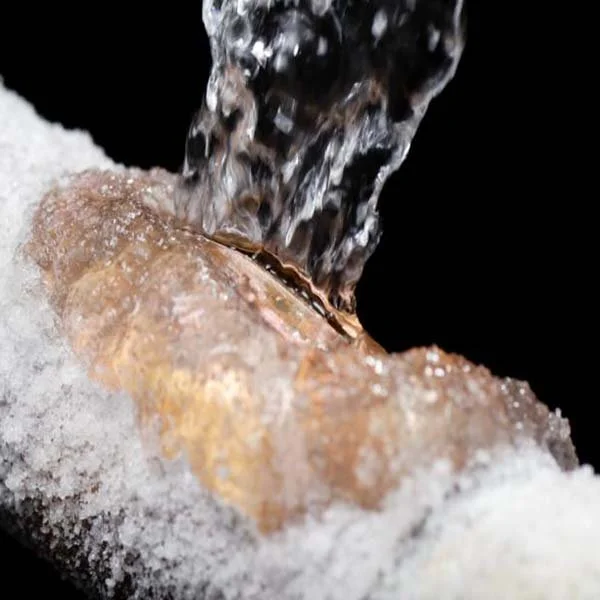
Several parts of a well system are especially vulnerable during winter conditions:
Wellhead and Well Cap
Ensure the well cap is secure, sealed, and above ground level to prevent cold air, moisture, and contaminants from entering.
Water Lines and Pipes
Exposed or shallow pipes are susceptible to freezing and should be properly insulated before temperatures drop.
Pressure Tank and Pump
Pressure tanks and pumps must be protected from extreme cold, particularly if located in unheated spaces.
How to help Winterize Your Well System
Winterizing your well system is a critical step in protecting your water supply during cold weather. With proper insulation, inspection, and maintenance, you can prevent freezing, avoid costly repairs, and ensure reliable water access throughout the winter season.
-
Follow these steps to prepare your well for winter:
Inspect the well cap for damage or gaps
Seal openings around the pipes coming into the house
Insulate exposed well pipes and fittings
Protect the pressure tank with a heater or some insulation
Disconnect and drain outdoor hoses
Check for leaks or weak points in the system
If leaving for the winter blow out water lines and equipment.
-
Keep your heat on at least low to help keep indoor plumbing safe
Use foam pipe insulation or heat tape designed for cold temperatures
Insulate well houses/pits and access points, use safe heating devices
Block drafts while maintaining proper ventilation
Avoid open flames or unsafe heating devices
-
Forgetting small or hidden pipe sections
Ignoring early warning signs
Using temporary or unsafe heat sources
Waiting until freezing temperatures occur
-
Early detection can prevent major damage. Watch for:
Decreased or inconsistent water pressure
Reduced or stopped water flow
Frost buildup on pipes or fittings
Unusual noises from the pump or pressure tank
-
If your well system has already frozen, shows signs of damage, or includes complex components, contact a licensed well professional. Professional assistance is also recommended for older systems or wells in high-risk freezing areas. If you want your system winterized, and take the hassle out of this sometimes tedious process, give us a call.